SEASON TWO · EPISODE 004 · RETAIL → PRODUCT DESIGN
Ariel Westphal on “pretty useful,” selling on value, and building a brand from Kansas
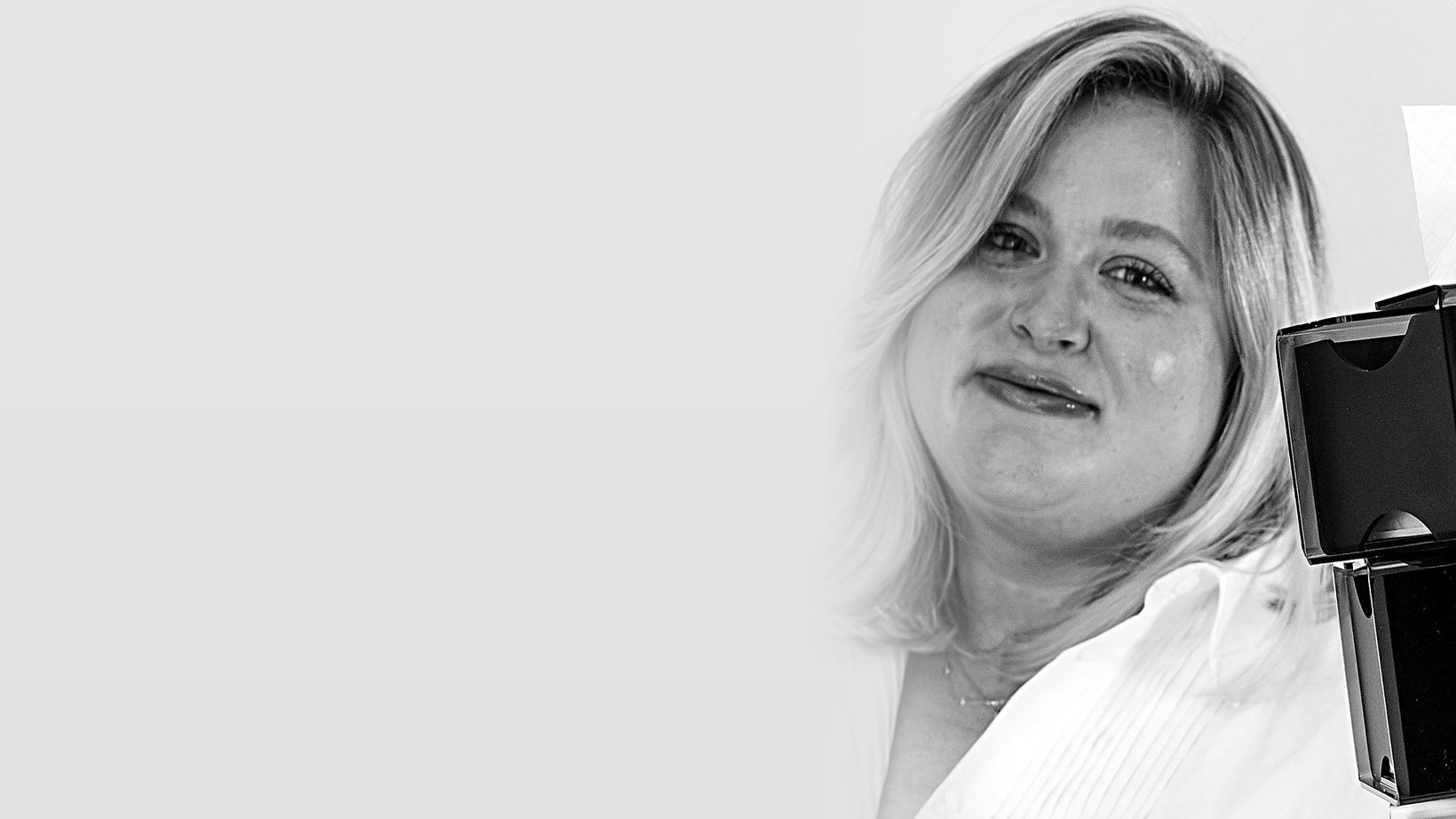
Ariel Westphal started working retail at 15 because she needed gas money. She became a head buyer, then spent nine years leading marketing for a business that grew to $60 million. Then she got sick, her husband went out for tissues, and she looked at the box he brought home and thought it had not changed in about a hundred years. She started building in May, quit her job in October, and launched Blow Tissues in November. Its mission is two words, and they come from being told her work was “just pretty.”
What you will learn
- What a retail floor teaches that a degree does not. The person in charge is the person who takes charge.
- What a buyer actually does. And why merchandising is really storytelling.
- Where “Pretty Useful” came from. A boss, a website review, and a very petty mood.
- Why she stopped pitching certain rooms. Proving your worth to people who will never see it is a waste of time.
- How a team of one uses AI. Do it by hand first, then scale what works.
- The cure for imposter syndrome. In her words: action.
What did a retail job at 15 teach her?
Two things that stuck. First, nobody has to tell you to do something before you do it.
“The person in charge is the person that takes charge.”
Ariel Westphal, Women [In]… season two, episode 4
Second, how to sell an expensive thing on its value rather than its price, by talking about things like cost per wear. She considers retail and restaurant work the best crash course there is in multitasking and customer service, and she looked for it when she was hiring. Selling, she points out, is the CEO’s main job anyway: the product, the vision and the opportunity.
What does a buyer actually do?
At The Buckle she was assistant buyer for women’s accessories: a narrow slice of the store, but bought at scale. That is where she learned to find, manage and build out product, and some of those relationships came with her to Blow Tissues.
As a head buyer the job widens to the whole mix: what sits next to what, the timing, the weather, the events, the price points. Done right, it tells a story about who your customer is. Merchandising is the extension of that, putting the strategy into the physical world, and she sees Blow Tissues as the same thing at a bigger scale: world building.
Where did “Pretty Useful” come from?
From nine years leading marketing in a male-dominated business. Every website update or design decision had strategy behind it, the colours, the typography, the layout. Good design, she says, should feel seamless enough that you do not notice it. What came back from leadership was often that it was nice, but it did not move the needle because it was just pretty.
“It’s the modern-day version of the dumb blonde anecdote. And so it just really pissed me off, honestly.”
Ariel Westphal, Women [In]… season two, episode 4
So when people started asking why on earth she was doing tissues, the answer was already there: it is pretty useful. Nobody is claiming to cure cancer, and she thinks owning that up front is more compelling than pretending otherwise.
What are pitch rooms like for a consumer product?
Hard. Consumer packaged goods are not the fashionable part of investing right now, next to AI and defence tech. She wanted to raise in the Midwest, in Kansas where she is from, and found herself running into the same old ways of thinking she had met in previous jobs, sometimes said straight to her face.
“I can’t change this indoctrinated behaviour. But I can find people that choose not to follow that.”
Ariel Westphal, Women [In]… season two, episode 4
What she learned the hard way is to look for investors and rooms where she does not have to start by earning the right to be taken seriously, and can start with the opportunity instead. Everyone else gets a polite thank you for their time.
How does a team of one keep up?
She has part-time and freelance help, but otherwise it is her, so she uses AI heavily. Her method is to do the work by hand first, whether that is sales, press or content outreach, find the approach that works, and only then automate it so it keeps running while she works on something else. (It is how she found this show.)
She is equally deliberate about people. Building a company from scratch is taking all of her mental equity, so anyone who brings competition or negativity gets wished well from a distance. She still listens to customer feedback; she is not trying to be delusionally optimistic. But she is protecting her peace.
“Everything about entrepreneurship is so hard. Anything that you can make easier or more fulfilling, do it.”
Ariel Westphal, Women [In]… season two, episode 4
Does she wish someone had warned her?
Not really. She learns by doing, and thinks she would have made the same decisions anyway. She has worked alongside the business owner in every role she has had, including at the company that scaled to $60 million, so she knew exactly what the process does to a founder before she started. Imposter syndrome still shows up. Her answer is to keep moving, because she cannot afford to lose days to it.
“The cure to anxiety is action.”
Ariel Westphal, Women [In]… season two, episode 4
The surprise, she says, was how much more fun it has been than she expected.
The one thing to do this week
Reach out to someone in your network. Go to the networking event, meet the friend for coffee, ask on LinkedIn or ask your audience. She says it is the lesson she would add if she had to name one: the answer is often with somebody else, not in eight more hours at the keyboard.
“So many times the answer isn’t in our head. It’s with somebody else.”
Ariel Westphal, Women [In]… season two, episode 4
Where to find Ariel Westphal
- blowtissues.com: the shop.
- @blowtissues on Instagram, TikTok and LinkedIn. Instagram is the best place to message her directly; she says she is more responsive there.
- LinkedIn: Ariel Westphal, for founder and business conversations.
Blow TissuesInstagramPretty, Useful on SubstackLinkedIn
Where to listen
This episode is not out yet. It releases on 29 January 2027. Follow the show on your podcast app to get it the day it drops.
Listen to Women [In]… Retail to Product Design with Ariel Westphal wherever you get your podcasts.
Frequently asked questions
What is Blow Tissues?
Blow Tissues is a consumer product company founded by Ariel Westphal, redesigning the tissue box as something people want to have out rather than hide. Its mission is Pretty Useful.
Where does the name Pretty Useful come from?
From years of hearing her marketing work dismissed as just pretty. When people asked why she was making tissues, Ariel Westphal leaned into it: the product is pretty, and it is useful, and owning that is more compelling than pretending it is something bigger.
What does a retail buyer do?
A buyer chooses what a store sells. As an assistant buyer at The Buckle, Ariel Westphal bought women's accessories at scale. As a head buyer the job covers the whole mix, including what sits together, timing, weather, events and price points, so that the store tells a story about its customer.
How should a solo founder use AI?
Ariel Westphal does the work by hand first, whether sales, press or content outreach, until she finds the approach that works, then uses AI and automation to scale it so it keeps running while she works on other things.
How do you deal with imposter syndrome as a founder?
Her answer is action. She keeps a long to-do list and keeps moving, because as a founder she cannot afford to lose days to the feeling.
Who is Ariel Westphal?
Ariel Westphal is the founder of Blow Tissues, based in Kansas. She started in retail at 15, has been both a head buyer and an assistant buyer at The Buckle, and spent nine years leading marketing for a business that grew to $60 million before launching her own company.