SEASON TWO · EPISODE 006 · FOREIGN SERVICE → HIGHER ED
Heather Bomans on leaving Arthur Andersen in time, fifteen years in the Foreign Service, and coming home
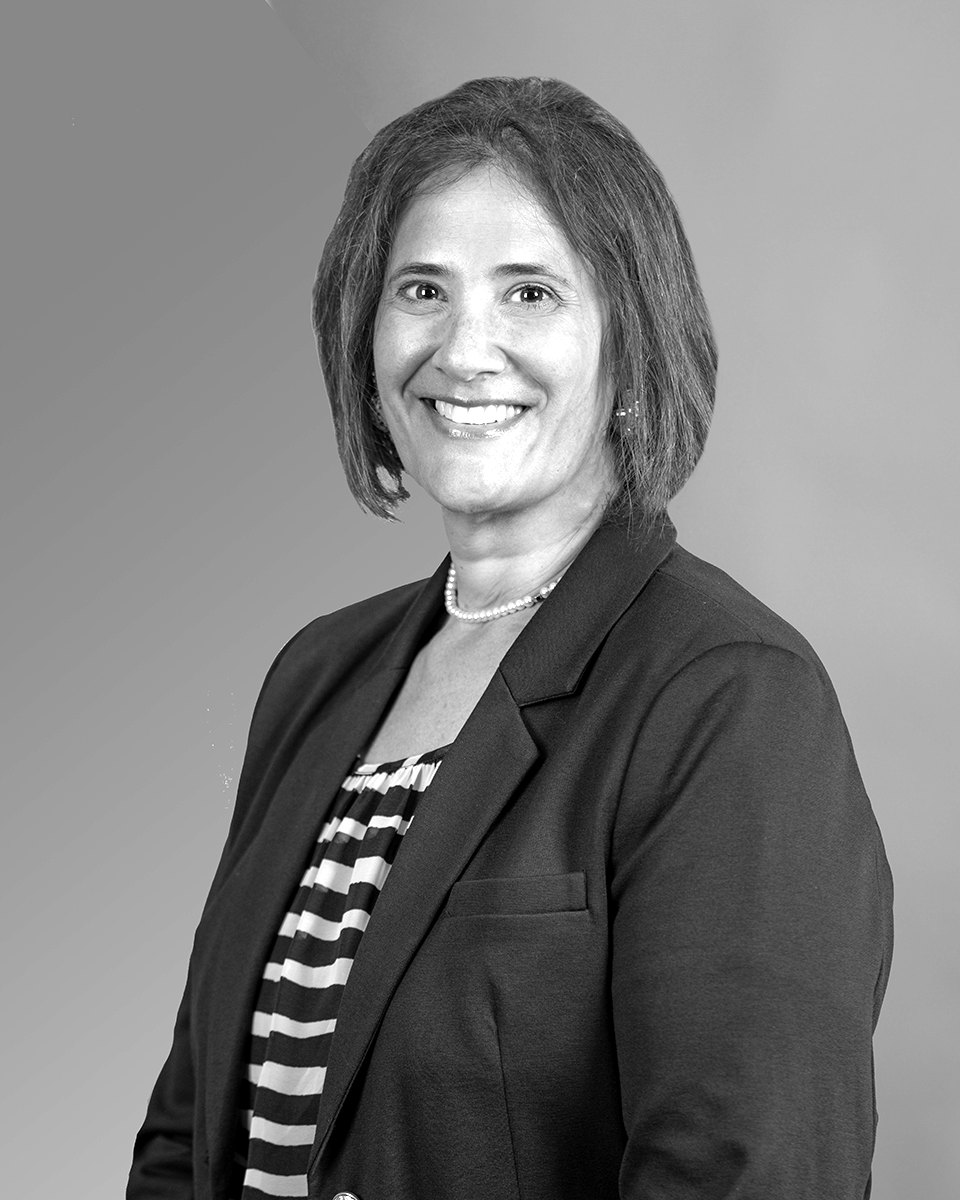
Heather Bomans lasted three weeks as a pre-med student before walking into the business college and picking accounting off a list. She took the degree straight to Arthur Andersen, then left for Callaway Golf just weeks before the firm went under. She earned her master’s, built her own tax practice, and then, unmarried, without children and tired of tax, applied for a job she found on USAJobs. That became just over fifteen years in the Foreign Service with USAID, starting in Kinshasa. She is now back at the University of Arizona, thirty years after she first walked onto campus, as Executive Director of Business and Finance.
What you will learn
- How to read the signs before a company falls. The data points were there at Andersen months ahead.
- What a CFO asked her in a final-round interview. And how she answered without saying too much.
- How she got into the Foreign Service. A USAJobs search, a ten-month wait, and an unusual door in.
- Why her experience was not enough on day one. Learning to listen instead of moving at full speed.
- Living with risk in Kinshasa and Bamako. And why coming home did not feel safer.
- What she tells students now. Explore, go abroad, and say out loud what you want.
Did the accounting degree turn out the way she expected?
She started at the University of Arizona planning to be a paediatrician. That lasted three weeks. She walked into the business college, looked at the list of degrees and decided she could probably do accounting, without much idea of what that meant. Her father’s reaction was that accountants were the worst.
It gave her a solid base, she says, and she still uses it. But her passion turned out to be broader than core accounting, and much of her career since has been about getting out from under that label.
What was it like to leave Arthur Andersen just in time?
She was a senior associate, not senior enough to know what was going on, but the signs were there. In July the partners started doing things that were unusual for the time of year. In December, a firm that never closed during tax season shut its offices for a couple of weeks.
“There were tells. Anybody going into any kind of profession really needs to learn how to listen to everything else, and not just be so focused on your singular thing.”
Heather Bomans, Women [In]… season two, episode 6
During that closure a recruiter called about Callaway Golf, an Andersen client. At her final interview in San Diego, with Enron already in the news, the chief financial officer asked her how she felt about what was happening at her own firm. She told him she could not speak for it while she was employed there, and that integrity was the way to go. She took the job. Her last day at Andersen turned out to be the day staff were told the firm was collapsing.
What stays with her is the human cost: a profession with a duty to the public, an entire firm brought down by the behaviour of a few, and thousands of people who had given it years. Her advice now is the same at 21 or 91. If the hair on the back of your neck goes up, listen to it.
How do you go from tax to the Foreign Service?
Quietly, and partly by accident. She had wanted to study international business as an undergraduate, but after five years her father wanted her out the door. Running her own firm, she did a lot of work for PriceSmart, the international warehouse clubs, and found herself travelling for them and working odd hours with people in France. She was good at tax and did not love it.
Searching for international jobs, she found a USAID posting on USAJobs, with no idea how federal hiring worked. The call to interview in Washington came the week she was due to fly to the Caribbean for PriceSmart, so she went to DC first and then on to her client. It took almost ten months from interview to start date, most of it security clearance.
She is careful to say her route was unusual. The State Department has a formal process with an exam. USAID had lost too many people from its controller ranks, so it hired her in at a senior level rather than at the start of a career. Her advice to anyone looking at federal jobs is to ask a lot of questions up front.
Was the job what she expected?
No. She arrived feeling she had all the experience she needed, a former tax director with plenty of transferable skills, and found it humiliating to be told she was new and had a lot to learn. Looking back, she says, they were right. Working in a federal and diplomatic setting is its own skill.
“It is a learned skill, hearing and listening to a lot of people, and not moving at Mach speed all the time because you think you have the answer.”
Heather Bomans, Women [In]… season two, episode 6
Her first posting was Kinshasa, in the Democratic Republic of the Congo, where small payments were part of everyday life in ways that would count as fraud at home. The accounting question became a human one: how do you protect US government money in that environment, and how do you help local staff see why a different way of handling it could move their own country forward? Those dollars mattered, and her job was to make sure they reached the people they were meant for.
How did she learn to run an executive office?
From the person who reported to her. After Kinshasa she moved to Bamako, in Mali, where the 2015 attack on the Radisson Blu hotel had led to most American staff being evacuated. Many did not come back, and the post was limited to people 21 and over. She was hired as the controller, and the mission director told her there were a lot of empty seats and he would need her for other things too.
Her deputy executive officer, still a close friend, taught her the executive office. She taught him other things in return, including how to negotiate with the Americans. American staff rotate every one to four years; the local staff are what keep a mission running, and she gives them the credit.
“What it did was open the door for the Heather that was trying to purge this identity as an accountant, to find a path that was more aligned with my interests.”
Heather Bomans, Women [In]… season two, episode 6
What does living with constant risk do to you?
You do not know how much stress you are carrying until you leave. In Kinshasa it was civil unrest and theft: someone might reach through an open car window for your necklace. She only noticed how tense she had been when she came back from leave, which is why staff were told not to save their vacation days. In Mali it was the threat of terrorism. Walking her dog alone, she knew every way out, where the UN compound and other American facilities were, and the back routes to her house.
Back in the States in 2019, two fathers got into an argument in a school drop-off line and a gun came out. Friends had spent years asking how she could live somewhere so dangerous.
“I’ve been back in the States for two months and this is what happens at a school. So you can’t tell me that it’s different.”
Heather Bomans, Women [In]… season two, episode 6
The embassy bubble, she says, could only do so much. She had to be prepared herself, and that habit of thinking a few steps ahead has stayed with her. Her husband, who grew up in Kinshasa, saw the other side of the bubble: while they lived at post, security rules sometimes kept him out of his own childhood neighbourhood.
What is it like to come full circle?
When USAID closed and she was separated after just over fifteen years, she wanted work that was still mission-driven. Arizona’s land-grant university, built around giving people access to higher education who might not otherwise get it, connected back to the development work she loved. Being on campus thirty years later, she now sees how everything runs behind the scenes, the classes and the lights that students simply expect to work.
Her father, who told her she had to go to the U of A in the first place, is pleased to see her back.
What does she tell students?
When she was a student, nobody mentioned the Foreign Service, and she wishes someone had, because she might have served longer. So her first piece of advice is to explore: build a network across different courses, take classes that do not seem relevant yet, and listen to what is going on around you. She is glad to see the university pushing study abroad, and several of the student staff in her own office are going overseas next summer. The world is connected, she says, and you miss part of the story if you do not understand how.
Her advice for young women is more specific.
“Don’t be scared to say you want something. Put forward that you’re just as good, if not better.”
Heather Bomans, Women [In]… season two, episode 6
The one thing to do this week
Say out loud that you want something. Pick the opportunity, project or role you have been quietly hoping someone would offer you, and tell the person who can make it happen. As Heather puts it, you can take on more just by making yourself available for the things people already say you are good at.
“I enjoy a good conversation and making connections in ways that I might not already know about.”
Heather Bomans, Women [In]… season two, episode 6
Where to find Heather Bomans
- LinkedIn: Heather Bomans. She says it is the best and fastest way to reach her.
- Coffee in Tucson: if you are coming through town, she is happy to meet.
LinkedInUniversity of Arizona profile
Where to listen
This episode is not out yet. It releases on 12 February 2027. Follow the show on your podcast app to get it the day it drops.
Listen to Women [In]… Foreign Service to Higher Ed with Heather Bomans wherever you get your podcasts.
Frequently asked questions
How do you get a job in the Foreign Service?
Heather Bomans joined USAID after finding a posting on USAJobs. She says her route was unusual: USAID hired her at a senior level because it was short of controllers, while the State Department uses a formal process with an exam and most people start early in their careers. It took almost ten months from interview to start, mostly for security clearance. Her advice is to ask a lot of questions up front.
What happened when she left Arthur Andersen?
Heather Bomans was a senior associate at Arthur Andersen and noticed unusual signs months ahead, including the firm closing for two weeks at year end. She took a job at Callaway Golf, and her last day at Andersen was the day staff were told the firm was collapsing.
What does a USAID controller do?
The controller is the financial management officer for a USAID mission, responsible for making sure US government funds reach the programs they are meant for. In environments like the Democratic Republic of the Congo, Heather Bomans says that meant managing fiduciary risk and helping local staff understand why the controls mattered.
Is it safe to work overseas in high-threat posts?
Heather Bomans served in Kinshasa and in Bamako, Mali, after the 2015 Radisson Blu attack. She says you do not realise how much stress you carry until you leave, that she always knew her exits and routes home, and that the embassy security bubble could only do so much: you have to be prepared yourself.
What advice does she give students?
Explore before you commit to a path, build a network across different courses, study abroad if you can, and learn how the world connects. For young women in particular, she says not to be scared to say you want something.
Who is Heather Bomans?
Heather Bomans is Executive Director, Business and Finance at the University of Arizona. She studied accounting there, worked at Arthur Andersen and Callaway Golf, ran her own tax practice, and then spent just over fifteen years with USAID in the Foreign Service, including postings in Kinshasa and Bamako.