EPISODE 010 · CORPORATE MARKETING → GENERATIVE AI
Nancy A Shenker on ageism, economic power, and refusing to be the invisible woman
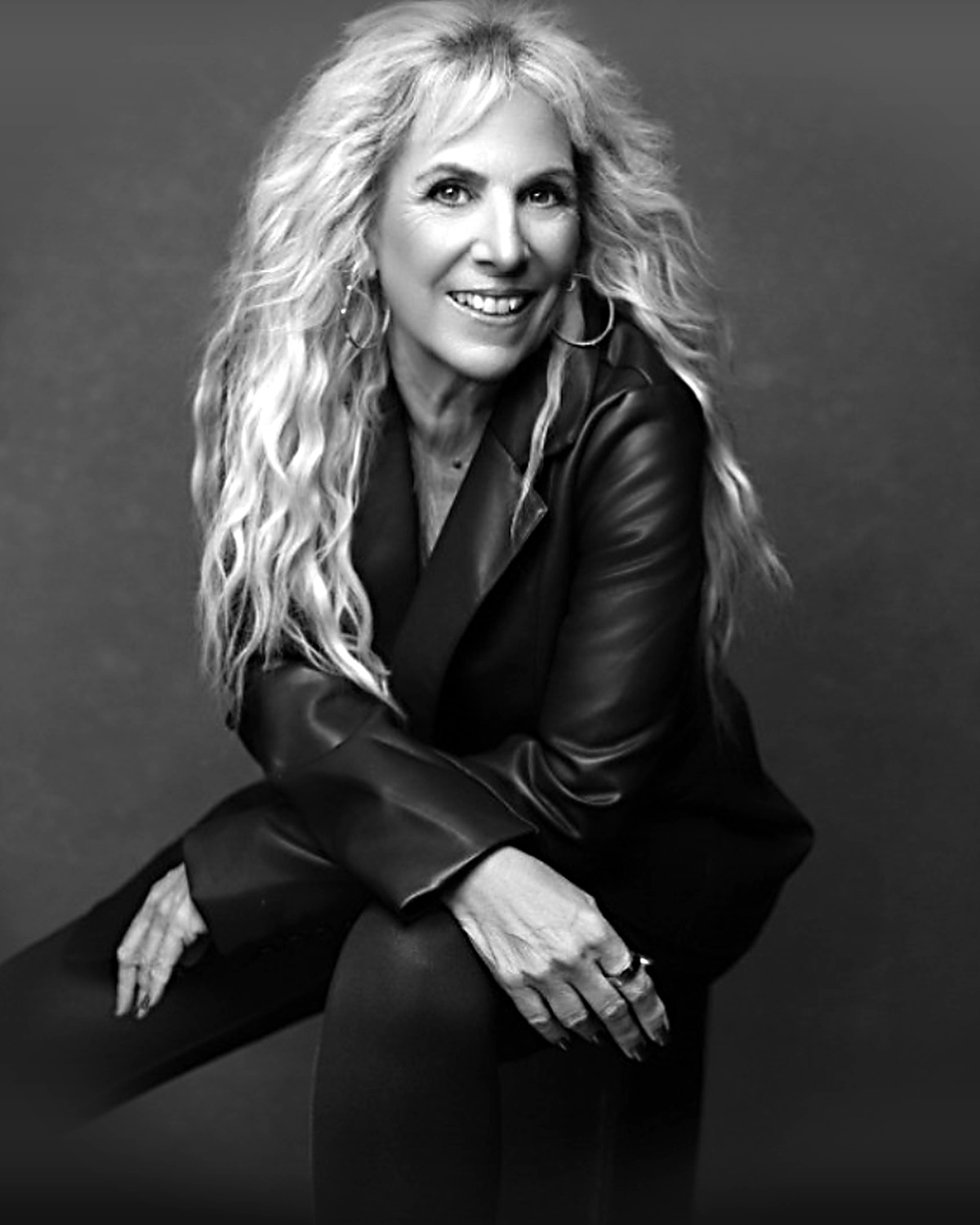
Nancy A Shenker was chief marketing officer of the company that produces Comic-Con. She ran branding for Citibank’s branches and worked on the rollout of Priceless at Mastercard. She left corporate life in her forties, before anyone could move her aside, and has run her own marketing practice for twenty-three years since. She is seventy. She is not winding down, and this episode is mostly about why the world keeps assuming she is.
What you will learn
- Why she thinks ageism is getting worse, not better. With the numbers to back it.
- The $17 trillion nobody is marketing to. And the ad-targeting bracket that proves her point.
- Why a million in revenue is a male measure of success. And what to use instead.
- What she did when a CEO walked past her desk every morning. It escalated, deliberately.
- The rules of The Break Room. Real and kind, with teeth.
- Her line on AI for anyone resisting it. You still have to learn it to fight it.
Why does she still carry the potholders?
Clearing out her late mother’s house, she found a pillow she had made as a child by sewing her own potholders together. She took it apart. She now has eight potholders from the 1960s and brings them to talks as props, because the point is not nostalgia.
“I don’t dwell on the past, but I use the past to build my future roadmap, because my passions as a little girl are similar to my passions today.”
Nancy A Shenker, Women [In]… episode 10
She describes the child version of herself as wildly creative, extremely shy, and fond of money, and says that if she were growing up now she would probably have been diagnosed somewhere on the neurodivergent spectrum. What she worked out early was that she could make things and that people would pay her for them, which is a reasonable description of what a content strategist does.
“People pay me to make stuff. And so it only took me seventy years to get here. But I think in many ways, this is the best stage of my life.”
Nancy A Shenker, Women [In]… episode 10
She has trademarked a tagline for what comes next, the Silver Hair Playbook, on the grounds that hers is the first generation of women likely to reach a hundred, and nobody has told them what the last thirty years are for. Her version does not involve pickleball or golf. It does involve knitting, but only because she likes it.
Is ageism actually getting worse?
Sondra puts the question directly: is she noticing it more because of her own age, or is it genuinely deteriorating? Nancy’s answer is both, and then she moves off anecdote and onto structure.
“Something like ninety-two percent of companies do not have age as part of their DEIB strategy.”
Nancy A Shenker, Women [In]… episode 10
Her example is a company advertising for a content intern, at fifty to sixty thousand plus benefits for someone who will need training and may stay a year. She is careful here: she mentors two students herself and believes in first jobs. The objection is not to hiring young people. It is to what sits underneath the preference.
“A hiring manager just isn’t comfortable managing and leading somebody who’s their grandmother’s age.”
Nancy A Shenker, Women [In]… episode 10
She has been on the other side of it. One of her best hires in corporate life was a woman twice her age, and she admits it was strange at first. She was careful about what she asked, careful that social plans were inclusive. The awkwardness was manageable. The experience was worth it.
“I find that I’m sharper, I’m faster, I’m funnier, dare I say, than I’ve ever been in my life.”
Nancy A Shenker, Women [In]… episode 10
What do you do when you are being walked past?
She was consulting to a fast-scaling SaaS company when a new CEO arrived, in his forties. Every morning he came out of his office and made a beeline for the twenty- and thirty-something engineers, and walked straight past her.
So she turned it into a game. Every morning she said good morning and used his name. Every morning, slightly louder.
The instinct to stay quiet, she says, often comes from other women. Someone once told her not to speak up because it would ruin it for the rest of them.
“What do you mean, ruin it for the rest of us? We’re already being ignored and marginalised. So how is it going to get any worse?”
Nancy A Shenker, Women [In]… episode 10
Her rule for the moment is to know the facts rather than rely on the feeling, which is why she has them to hand. Women over forty-five control seventeen trillion dollars in disposable income. And look, she says, at how the advertising industry treats them: in Facebook’s targeting, everyone over sixty-five is lumped into one bracket that runs until death. No other age range is drawn that wide.
She performs a comedy routine built on exactly this material: facts delivered as entertainment, aimed at what is happening to women over fifty. The title is unprintable here.
What is her message to people her own age?
Less sympathetic than you might expect. Her sharpest words in the episode are not for the hiring managers but for her own generation.
“If I meet one more geezer woman or geezer guy who fumbles with their phone or talks about social media and AI like it’s the devil’s work, dudes, this is where the world is. Either get with the program or go become a blacksmith or a plumber.”
Nancy A Shenker, Women [In]… episode 10
She wrote a book about artificial intelligence in 2017, well ahead of the wave, so this is not a convert’s enthusiasm. And her argument closes the door on the obvious escape route, which is that you can object to the technology without understanding it.
“If you want to fight the train, you want to stop the train, you still have to learn about it in order to build the guardrails.”
Nancy A Shenker, Women [In]… episode 10
Is a million dollars the right number?
This is the part of the episode most likely to change how someone runs their business. She and Sondra had both been at an event where a million in revenue was treated as the threshold at which a business becomes legitimate.
“I think that’s very much a male-generated” measure of success.
Nancy A Shenker, Women [In]… episode 10
Her alternative is not a different number. It is a different question.
“There may be times in your life where you just had a baby or you’re having a family crisis. And maybe that year, a hundred thousand is fine and you shouldn’t feel like that’s not enough.”
Nancy A Shenker, Women [In]… episode 10
What she wants women in their thirties to work out is what prosperity actually looks like for them at that particular stage, and to choose from that rather than from fear of missing out. She is pointed about where the alternative leads: she sometimes wonders whether, growing up today, she would have gone into fintech, an industry she has no interest in, simply because that is where the money was.
“Economic power is essential.”
Nancy A Shenker, Women [In]… episode 10
Why build another women’s group?
Because the one she was on the board of disbanded, and she missed it. The Break Room, BRKRM, for be real and kind, is her own, and it is deliberately small.
The backdrop she is reacting to is specific. She built her career in an environment of scarcity, where there were very few senior positions for women, and she wrote a book about what that did to how women treated each other. Arriving in Arizona eight years ago with no friends and no connections, she found something related but different: a lot of bad behaviour hidden behind nice-girl personas.
“Our group is centred around real, raw, live communication.”
Nancy A Shenker, Women [In]… episode 10
The rules are modelled on a kinder version of Fight Club, and if you cannot live by them you should not be a member. The first live event was called The Biggest Mistake I Ever Made and What I Learned From It, at which she says she shocked the other five women at the table by being genuinely blunt about the worst decision she ever made in her business.
“The most important thing for me is not that we scale to thousands of members, but that we remain true to our mission, and that women will call each other out if they find them not being real or kind.”
Nancy A Shenker, Women [In]… episode 10
What is friend-jacking?
Her name for something most people in business have done without noticing. You introduce two people. The introduction turns into a deal, a partnership, a client. And you never hear about it again. Or you find out two years later that it worked.
“All it takes is two words. Thank you.”
Nancy A Shenker, Women [In]… episode 10
She is clear she does not need the gratitude for its own sake. A coffee, a gift card, an acknowledgement will do. What irritates her is the version where the two people form their own group and forget who introduced them. She has the Yiddish word for the role, and she thinks the role deserves naming.
The business lesson that sits next to it, learned over twenty-three years of running her own practice: people will tell you they are going to hire you. Give them grace, be patient, and then notice how long it has been.
“It’s like being engaged to somebody for twenty years and they keep promising they’re going to get married. At some point you’ve just got to say, time’s up, moving on.”
Nancy A Shenker, Women [In]… episode 10
What still scares her?
Fear of failure, she says, except that she is the one who defines failure, so the definition is hers to move. She keeps a project in her AI tools called therapy sesh, which she is quick to say is nothing like human therapy, having done both, but it helps her work out why a particular morning feels the way it does.
Beyond that, the list is short and mostly physical. Her mother lived to ninety-five, her grandmother to ninety-nine.
“The older I get, the fewer fears I really have. This is why it’s really my time, because I no longer give an S about what people think of me. I’m not afraid of getting fired.”
Nancy A Shenker, Women [In]… episode 10
On bad days she pulls out a cheat sheet of people who were rejected repeatedly or who arrived late. Grandma Moses. An Emmy winner who spent eighteen years submitting a screenplay before it got made.
The one thing to do this week
Thank the person who introduced you to someone useful. Then, separately, work out your own number, not the one from the stage at the last event you went to, but the one that matches the life you are actually trying to fund this year.
“I’ve got thirty at least good years left and I am just getting started, boys and girls.”
Nancy A Shenker, Women [In]… episode 10
Where to find Nancy A Shenker
- theONswitch: her marketing practice, running since 2003.
- Substack: her current priority, and where Bodies and Bots and Your Nerve, her memoir, is being serialised.
- Age Blind: her podcast on age, technology and intergenerational work.
- The Break Room (BRKRM): be real and kind.
- Instagram. Two accounts, by design. One corporate, one unfiltered. She says they are the same person.
theONswitchNancy AFSubstackAge Blind podcastLinkedInInstagram
Where to listen
Listen to Women [In]… episode 10 with Nancy A Shenker wherever you get your podcasts.
Transcript: read the auto-generated transcript on Buzzsprout. It is machine transcribed, so names and some words may be wrong. Quotes on this page were checked against the recording.
Frequently asked questions
Is ageism at work getting worse?
Nancy A Shenker says it is a combination of becoming more visible to you as you age and genuinely getting worse. Her evidence is structural rather than anecdotal: she cites that around 92 percent of companies do not include age in their DEIB strategy, and points to hiring managers who are not comfortable managing someone their grandmother's age.
How much spending power do women over 45 have?
Nancy A Shenker cites $17 trillion in disposable income controlled by women over 45. Her point is that the group most often treated as commercially irrelevant is the one holding the money, and that Facebook's own ad targeting lumps everyone over 65 into a single bracket that runs until death.
Is a million dollars in revenue the right measure of success?
Not necessarily. Having been at an event where a million dollars was treated as the threshold for a legitimate business, her response is that this is a largely male-generated measure. In a year with a new baby or a family crisis, she argues, $100,000 may be exactly right, and women should define prosperity by the life they want rather than by fear of missing out.
What is The Break Room?
A curated, volunteer women's group Nancy A Shenker founded in Arizona, built on being real and kind. Its rules are modelled on a gentler version of Fight Club, and the first live event was called The Biggest Mistake I Ever Made and What I Learned From It. She says the goal is not scaling to thousands of members but staying true to the mission, with members willing to call each other out.
How should older workers approach AI?
Her position is blunt: learn it either way. She wrote a book about AI in 2017 and has no patience for peers who talk about social media and AI as the devil's work. Even if you want to fight the technology or slow it down, she argues, you still have to understand it in order to build the guardrails.
Who is Nancy A Shenker?
Nancy A Shenker is founder and CEO of theONswitch, a marketing practice she has run for twenty-three years. She was previously chief marketing officer of Reed Exhibitions, ran branding and local marketing for Citibank's branches, and worked on the rollout of Priceless at Mastercard. She has written four business books, hosts the Age Blind podcast, and founded The Break Room.